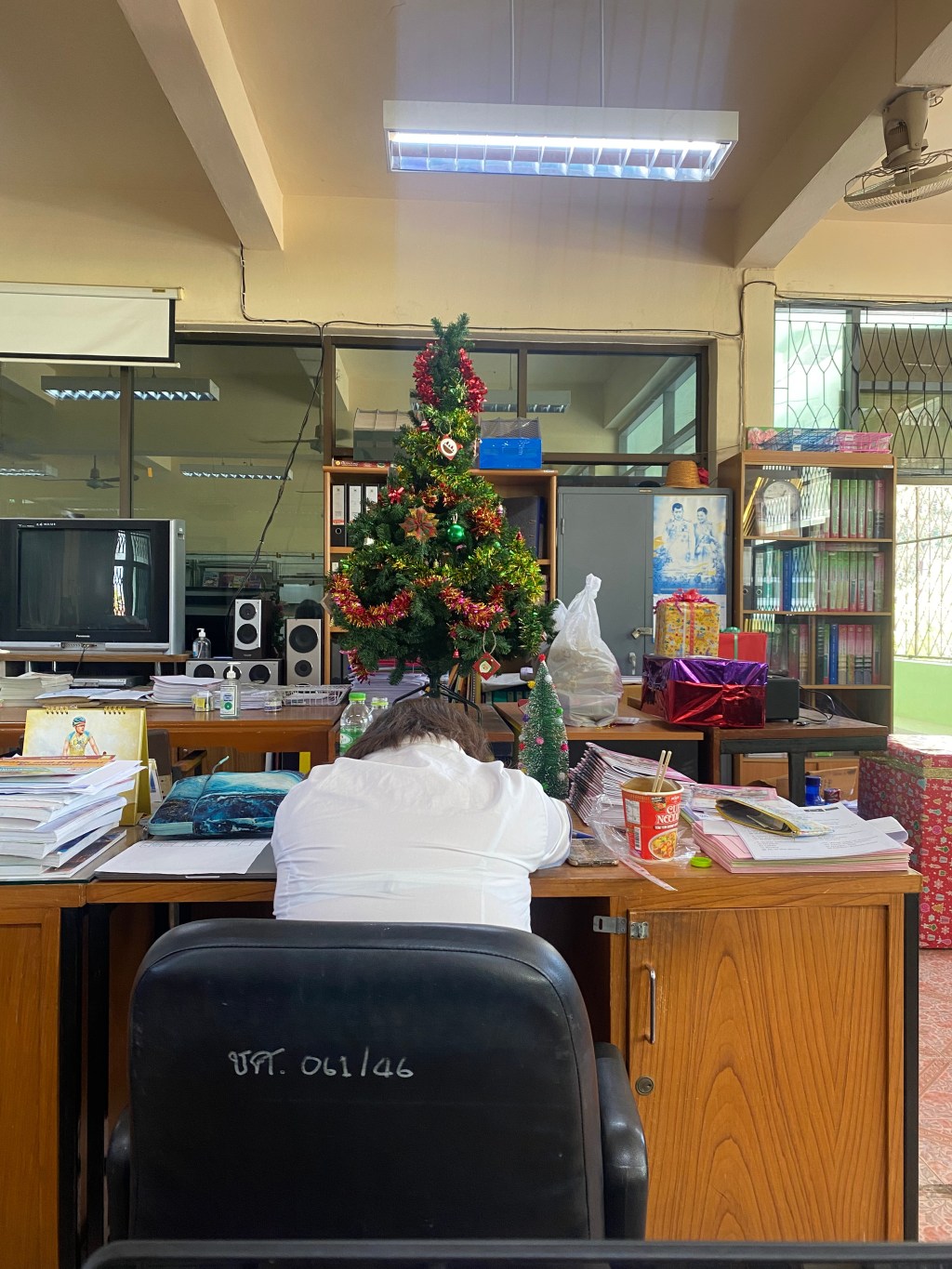
This may sound hypocritical after you find out that my pathway to travel started with TEFL. However, this unique industry, like all others, is nuanced, and to be honest, not everyone who does it should be doing it. Should you?

Full transparency, this is coming from someone who only spent one semester teaching abroad, and I plan to teach abroad again. But I did a lot of research, and met so many other TEFL teachers throughout my travels. From this lens, I can confidently say that you should not teach English abroad if:
You are not going to take it seriously, and you are only using it as a means to live abroad.
The first part of this probably sounds like common sense, and the latter part may be a hot take. However, if you are going to work in education, you have to care about the education your students are receiving, and not just see the title of “teacher” as a means for getting a long-stay visa. This is a disservice to your students and the community you are joining. A lot of the foreign English teachers I met, such as the other girls at my school, and myself, took the job very seriously. We wanted to see our students progress, we wanted our lessons to be fun and engaging. I studied English in University, I worked in the education field for almost three years, and it is a field I am generally interested in and wanted to explore. You don’t need to be an English major to teach abroad-just don’t phone it while in the classroom. The countries that have these TEFL programs in place do so because they see a value in it for their students and community. In many cases these students may not get regular opportunities to improve their English in everyday life. So if you plan on just doing the bare minimum-come as a tourist, not a teacher.
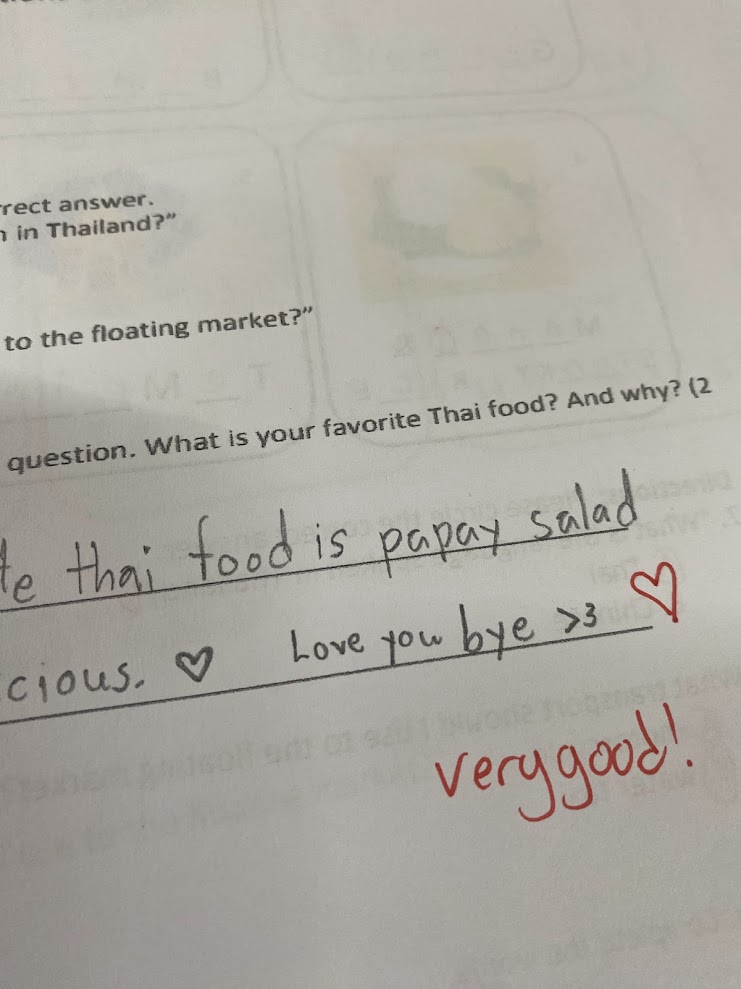
You do not plan on finishing your contract.
The turnover in the TEFL industry, at least what I saw in Thailand, is quite crazy. I get it. Sometimes life happens. I myself witnessed a teacher leave after the first day, and I think this was the best decision for her. Before taking on the job make sure you are mature enough, and willinging enough, to stick it out to the end. This piggybacks off the last point about taking the job seriously, not because of any grand moral platitudes, but because the students deserve that consistency. I stayed for the entity of my contract-and my biggest regret was not accepting the extension of my contract. Like I said, life happens, but make sure to the best of your ability that you can give all you can to your students.
You have unchecked privilege.
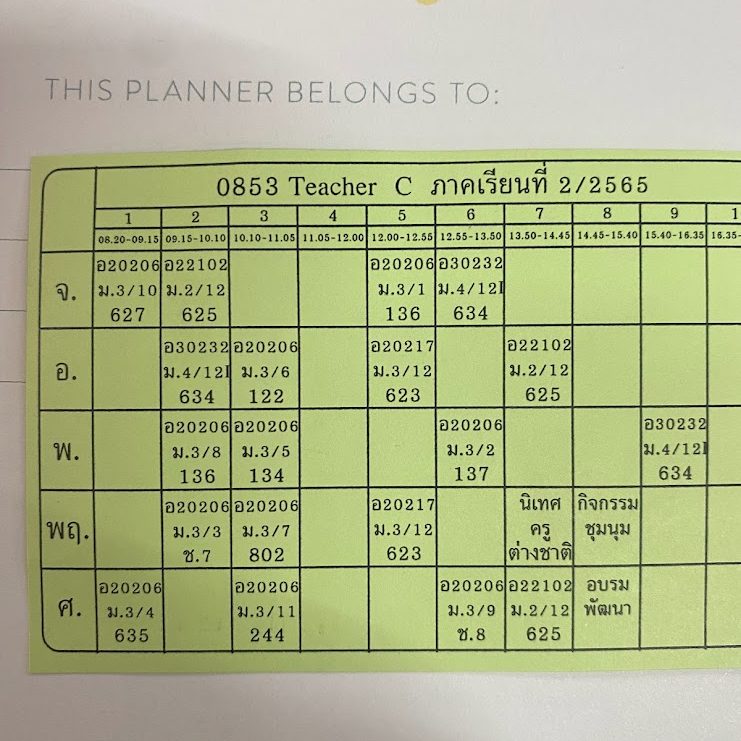
I had to massively check my own privilege while teaching in Thailand. I learned that I was being paid more than other teachers in the same agency simply because I’m American, this is one of the dark sides of the industry. Many countries or teaching agencies require that teachers be native English speakers-yet another privilege that needs to be checked, because it is not like we choose the language we are born into, and coming from an English speaking country automatically gives me the option to teach abroad that many others simply do not have. However, if non-native English speakers are hired after demonstrating advanced English proficiency and showing the right credentials. Why are they often paid less than native speakers? If anything, an English teacher who is also an English language learner can be a great asset as they likely know grammatical rules better than many native speakers, because these grammar rules tend to come naturally to us. The issue is not black and white, but I personally believe that salary should be based on education, experience, and performance-not where your passport is from. In some schools or countries you may even be getting paid more than the local teachers as well.I understand talking about salary is taboo to many, but it is important to be mindful of these things as well.
Privilege comes in many forms, and it is not something that we choose, but it is something that we can acknowledge. Simply take a step back and put things into perspective.
So, should you teach English abroad? Let me know! I am also happy to answer any questions where I can.
 Elsewhere Letters
Leave a comment